








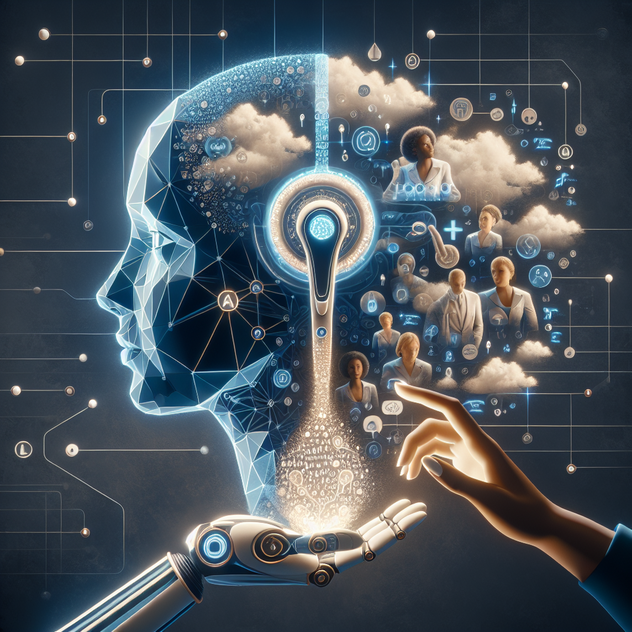
The rise of conversational artificial intelligence, especially large language models like ChatGPT, has revolutionized everything from customer service to personal companionship. Yet, as these tools become more deeply integrated into our lives, a concerning side effect is emerging: a growing number of individuals are reportedly developing unhealthy emotional dependencies and delusional beliefs, some with tragic consequences. Recent lawsuits have brought attention to cases where interactions with AI are alleged to have contributed to psychological destabilization, even leading to suicide.
While the technology itself lacks consciousness or intent, the human brain is easily swayed by familiarity and responsiveness. When someone is emotionally vulnerable, having a source of dialogue that responds intelligently—without judgment or fatigue—can begin to feel like a trusted companion. This illusion, though comforting on the surface, can blur the lines between reality and simulation, potentially exacerbating existing mental health issues. The results, sadly, can be devastating when individuals feel that machines offer more understanding than people.
Developers of AI systems have generally implemented guardrails to prevent clearly harmful interactions, such as refusing to offer medical advice or blocking explicit prompts. However, the subtle psychological influence of always-available, seemingly empathetic machines goes beyond easily managed thresholds. For example, a user might start interpreting the AI’s responses as confirmation of paranoid thoughts or irrational fears, reinforcing delusions rather than dispelling them. This is a situation algorithms were never meant to navigate, yet they are increasingly being placed in that position.
The responsibility doesn’t lie solely with developers; there is a broader socio-cultural gap in how we educate people about AI. Most users still don’t fully grasp that these systems do not ‘know’ or ‘care.’ They are probabilistic models drawing from vast databases to generate plausible text. The more lifelike they appear, the easier it is to misinterpret them as sentient. This misunderstanding becomes especially dangerous when individuals are already isolated, emotionally distressed, or grappling with mental illness.
As AI continues to evolve, we must approach its integration into society with both excitement and humility. A tool as powerful as conversational AI demands not only technical vigilance but also psychological awareness. Educating users, improving ethical design, and establishing mental health safeguards are essential to preventing unintended harm. At the end of the day, while AI can simulate empathy, it cannot replace the irreplaceable human need for authentic connection, care, and community.