








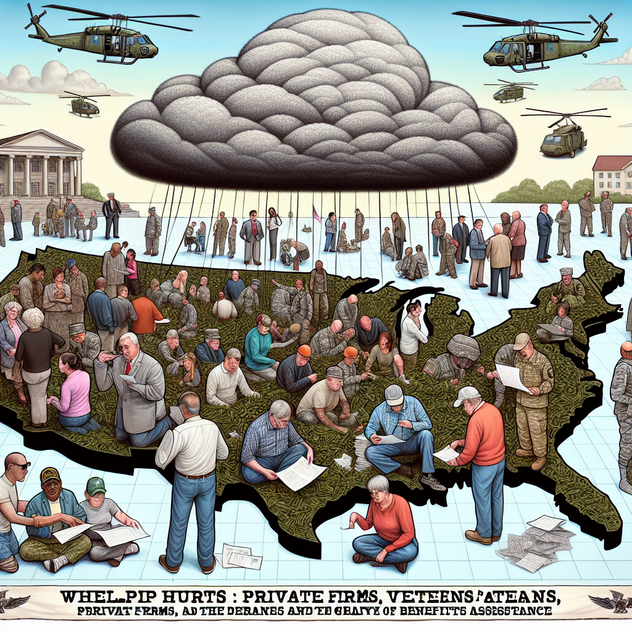
Across the country, thousands of military veterans apply for disability benefits through the Department of Veterans Affairs (VA), a process often described as complex, frustrating, and overwhelming. In response, a growing number of private companies have begun charging fees to ‘assist’ veterans in filing claims. This seemingly helpful service, however, has prompted stern warnings from the VA. Nearly 40 such companies have been told by the agency that they may be violating federal law—but most of them continue to operate undeterred.
At the heart of the controversy is whether these companies are crossing legal lines or filling a service gap. Federal law restricts who can charge veterans for assistance in filing claims, a measure designed to protect a vulnerable population from being exploited. Yet these firms argue their services are in demand because government-provided support is often inadequate. Veterans desperate for timely help may view paying for assistance as a necessary trade-off for navigating a system that can be difficult to understand and slow to respond.
This raises serious ethical and legal questions. While it’s clear some veterans willingly engage with these firms, they may not fully understand that free and accredited help is available from VA-recognized representatives. The continued operation of these businesses, even after being flagged, exposes a troubling gap in enforcement and oversight. It also suggests that veterans’ needs are not being fully met by official channels—an issue that deserves closer attention than the enforcement of legal technicalities alone.
From my perspective, the persistence of these companies signals both a failure in policing their activities and a deeper failure in the veteran support infrastructure. When those who served the country must turn to potentially unlawful private operators for help, it reflects poorly on the systems we claim are in place to support them. It’s not enough to penalize these firms; the VA must also examine why veterans feel compelled to use them in the first place, and whether improvements in access, communication, and trust can make a difference.
Ultimately, this situation illustrates a painful paradox: that even well-intentioned assistance can cause harm when it skirts the rules meant to uphold equity and protection. While punishing bad actors is necessary, it’s equally vital to reimagine a veteran support system that is robust, responsive, and truly veteran-focused. Ensuring that those who served don’t have to choose between legality and help is a moral imperative as much as a legal one.