








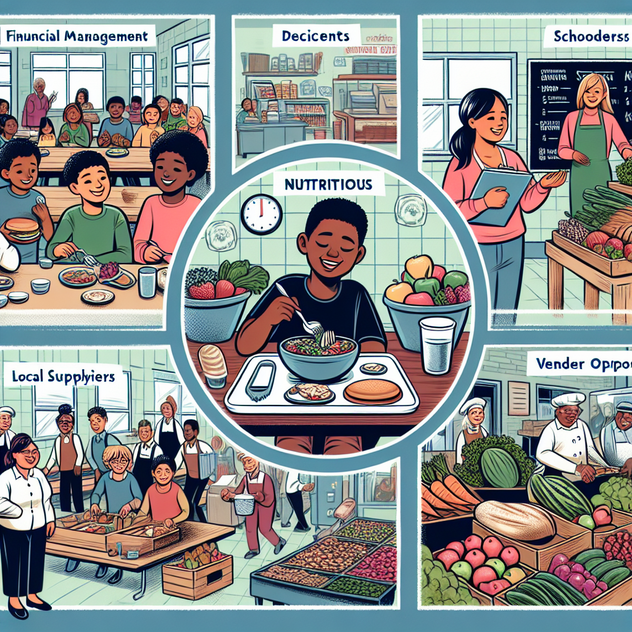
Each year, school districts quietly conduct a vital process that impacts student nutrition, local businesses, and even the economy: the procurement of food supplies. Recently, HPS issued a request for proposals (RFPs) inviting vendors to bid on contracts for the 2025-2026 school year, covering essential cafeteria staples like bread, dairy, and related products. These contracts often span a year with the possibility of multiple extensions, creating a long-term opportunity for suppliers.
At first glance, this might seem like routine bureaucracy, but beneath the surface lie strategic decisions that affect thousands of students. By seeking competitive bids, school systems ensure they get the best mix of quality and value. This approach not only encourages fiscal responsibility but also promotes fairness by opening the door for a diverse pool of vendors, including small and minority-owned businesses that might otherwise struggle to navigate large contracts.
For vendors, this is more than a sales opportunity—it’s a chance to become a staple in a community’s daily life. Providing food for schools means ensuring children receive nutritious meals five days a week, contributing to their academic performance and overall well-being. Vendors who secure these contracts are entrusted not just with product delivery, but with quality assurance, reliability, and a role in supporting public health.
One critical aspect worth noting is the potential for long-term partnerships. The possibility of contract renewals for up to four years suggests that this isn’t just a one-off engagement. For vendors, it provides stability in a volatile market, and for schools, it fosters ongoing collaboration that can be refined and optimized over time. Both sides benefit from predictability, which is increasingly valuable in today’s uncertain economic climate.
In conclusion, while school food contracts may not dominate headlines, they are foundational to educational infrastructure and community wellness. For vendors, responding to such RFPs is not merely a financial decision—it’s an opportunity to make a difference. And for school districts, smart procurement today sets the groundwork for healthier students and more inclusive local economies tomorrow.