








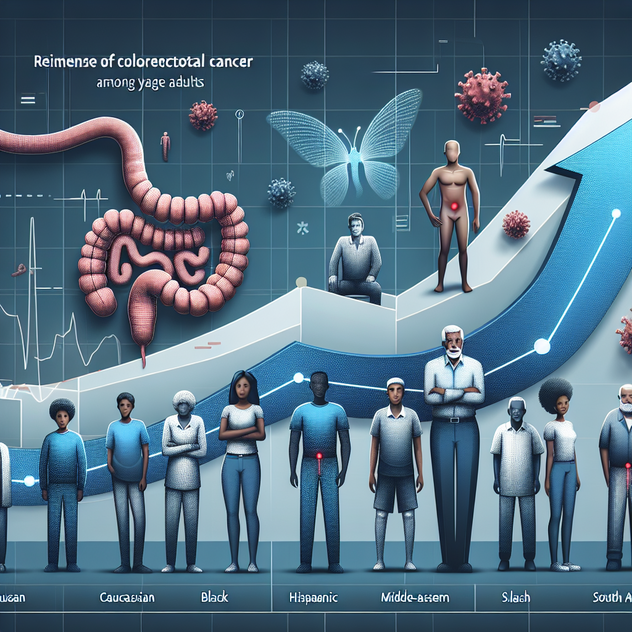
In an unexpected and concerning trend, colorectal cancer — long thought to primarily affect older adults — is increasingly being diagnosed in younger people. What was once a rare occurrence for individuals under 50 is now a rapidly growing statistic. From lifestyle choices to environmental factors, multiple contributors may be behind this alarming shift. This isn’t just a health story; it’s a cultural wake-up call that deserves our immediate attention.
One driving factor behind this increase may be the modern Western lifestyle, particularly diets high in processed foods, red meat, and low fiber intake. Young people are growing up on the go, relying on convenience foods that can wreak havoc on their digestive health. Add a sedentary lifestyle into the mix and you’ve got a recipe for increased cancer risk. Unlike older generations, today’s youth are also more likely to be exposed to chronic stress and poor sleep habits — both of which have subtle but significant effects on gut health and inflammation.
Another issue is the limited screening for people under 50. Because colorectal cancer was historically viewed as an older adult disease, many younger individuals and even healthcare professionals may overlook early warning signs like persistent abdominal pain, changes in bowel habits, or blood in the stool. This delay in diagnosis often means that cancer is detected at more advanced, less treatable stages. The lack of awareness is costing people both time and health, putting early detection out of reach for many.
On the brighter side, there are steps that individuals can take starting today to reduce their risk. Fiber-rich diets, regular physical activity, and minimizing alcohol and tobacco use all play protective roles. For those with a family history of colorectal cancer, talking to a doctor about earlier screening may be a life-saving decision. Gut health is an often-ignored pillar of overall wellness, but it deserves a front-row seat in our daily health conversations — especially now.
As the numbers continue to rise, redefining our understanding of who is at risk becomes essential. Younger age should no longer be seen as a safety net against serious illnesses like colorectal cancer. By tuning into our bodies, advocating for better access to preventative screenings, and making informed lifestyle choices, we can begin to turn this troubling trend around. Colon cancer doesn’t just disrupt lives; it signals the need for a cultural shift toward proactive health management at every age.