








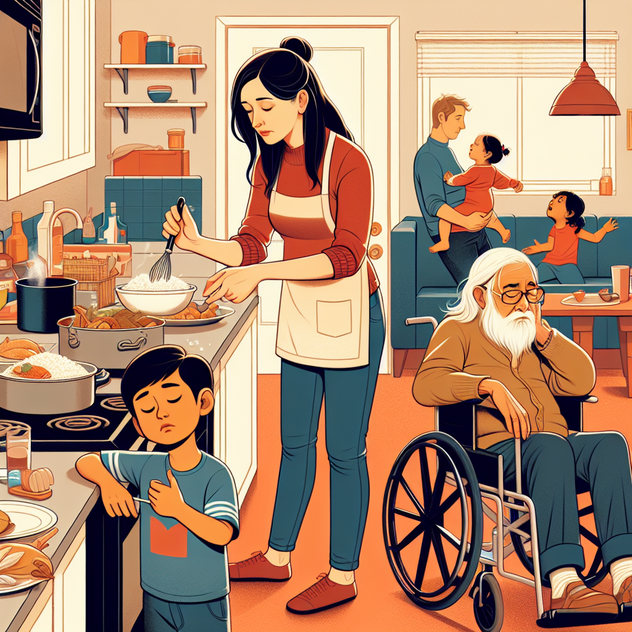
While many of us look forward to Thanksgiving as a time for food, family, and rest, there’s a growing population of Americans for whom this holiday season brings anything but a break. For caregivers—whether they’re looking after a sick parent, recovering spouse, or young children out of school—the so-called time off becomes an extension of their daily labor. Without a federal policy guaranteeing paid family or medical leave, these workers are left to absorb the burden of care during what should be their time to recharge.
The caregiving struggle disproportionately impacts women, who are often expected to be the default support system for both children and aging relatives. This double-duty pulls many talented employees out of the workforce entirely. Within a short span earlier this year, over 450,000 women reportedly stepped away from their jobs, not due to lack of ambition but because the system gave them no real alternative. The ripple effect extends beyond these individuals—cornering families into financial strain and costing the broader economy in lost productivity and innovation.
To spotlight this crisis, Paid Leave for All has launched a powerful campaign encouraging people to be candid in their out-of-office messages. Instead of the usual, sanitized auto-replies, they’re asking workers to share real reasons behind their absence—whether they’re navigating hospice care for a parent or handling post-op recovery for a loved one. These messages are being featured in public spaces across New York and Washington, confronting the public—and policymakers—with the uncomfortable truth that the so-called “time off” is anything but restful.
What stands out in this campaign is its ability to humanize a systemic issue. Too often, caregiving is seen as a personal challenge rather than a societal one deserving policy solutions. By reclaiming the automated out-of-office email to reflect honest struggles, Paid Leave for All is turning a typically impersonal tool into a form of quiet protest. It’s a reminder that the absence of a worker doesn’t mean a vacation—it might instead look like managing prescriptions, arranging home care, or coping with grief.
As Congress reconvenes post-holiday, it’s vital that lawmakers listen—not just to formal testimony, but to the chorus of honest stories that bear witness to a failing system. Change may not come immediately, especially in a divided political climate, but normalization of these realities is a necessary first step. When rest becomes a privilege and caregiving a penalty, it’s clear that we’re overdue for a policy shift that respects both humanity and labor. For caregivers across the country, that change can’t come soon enough.