








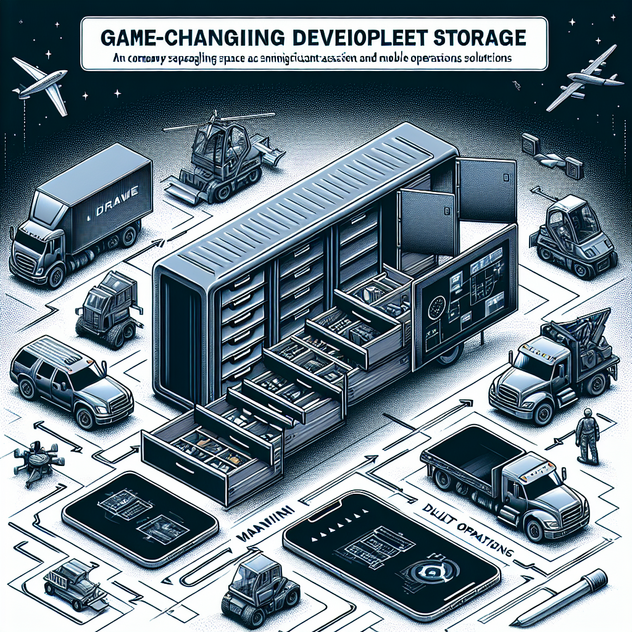
When it comes to managing mobile operations, space is more than just an asset—it’s a lifeline. Havis, a notable player in the industry of vehicle mounting and mobility solutions, has introduced a new Side-by-Side Dual Drawer System designed to reshape how law enforcement agencies and commercial fleets organize their gear. This addition marks a significant enhancement in mobile storage efficiency, a category critical to fast-paced field operations.
This new configuration highlights a clever use of horizontal space. Each of the drawers operates individually, allowing users to customize storage for different tools, electronics, or mission-specific items. In high-pressure environments such as policing or utility work, easy access to exactly what you need—without digging through clutter—can save time and reduce stress. The dual-drawer design appears to be a thoughtful response to user feedback, addressing long-standing bottlenecks in fleet vehicle storage.
From a logistical standpoint, Havis seems to understand that one-size-fits-all rarely works in fleet ecosystems. That’s why the system’s modularity is such a strong selling point. It can be configured to fit a wide range of vehicles and is built with durability and longevity in mind—two non-negotiables in rugged field environments. In effect, this launch could significantly cut down replacement and maintenance costs over time.
What really stands out about Havis’ move is its potential to elevate safety standards. Organized cargo storage helps minimize the risks associated with loose, unsecured equipment inside vehicles. For law enforcement in particular, this is more than a convenience—it’s a critical feature that can contribute to officer safety and operational accountability. The system also provides a tidy, professional appearance that reflects well on any organization’s brand image.
All things considered, Havis’ new Dual Drawer System signals a thoughtful evolution in supporting mobile workforce needs. It’s not just about building a better drawer—it’s about understanding what frontline workers actually need to do their jobs better, faster, and safer. If widely adopted, this innovation might set a new standard for how fleets think about in-vehicle storage going forward.