








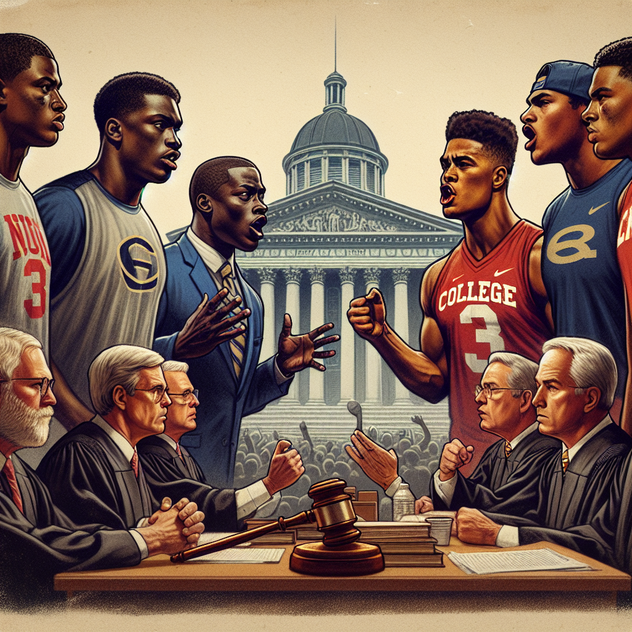
In a bold move that could have major ramifications for college athletics, five football players from prominent programs—including three from the University of Wisconsin—are seeking a court’s permission to extend their college careers into a fifth season. Filed in federal court, this legal action requests an injunction allowing them to play through the 2026 season, challenging current NCAA regulations on eligibility limits.
This unprecedented legal challenge is not merely about one more season on the field; it’s a confrontation with the NCAA’s traditional framework. The athletes argue that extenuating circumstances, such as the disruptions caused by the COVID-19 pandemic, justify additional eligibility. While the NCAA did provide extra eligibility for those directly impacted by the 2020 season, these players claim that their particular situations warrant further review and flexibility.
From a broader perspective, this lawsuit draws attention to how dynamic the college athletics landscape has become. The rise of athlete empowerment, along with the new name, image, and likeness (NIL) rules, signals a shift toward treating student-athletes more like professionals than amateurs. If successful, this legal challenge might set a precedent for more athletes to seek extended eligibility under exceptional circumstances, essentially rewriting the playbook on player tenure in college sports.
For Wisconsin, having three athletes involved in this case underlines the university’s central role in this legal shift. It will be intriguing to see if support builds among other schools and players who may have similar grievances. Additionally, the case may influence how athletic departments across the country manage player development and recruitment strategies, especially if courts begin to intervene more frequently in eligibility matters.
Ultimately, this legal push reflects a growing demand for fairness and flexibility in collegiate sports governance. Whether the court grants the injunction or not, these players have already made an impact by spotlighting the complexities of NCAA standards in an evolving athletic era. The ruling could redefine the limits of a college athlete’s career—and potentially change the future of college football as we know it.