








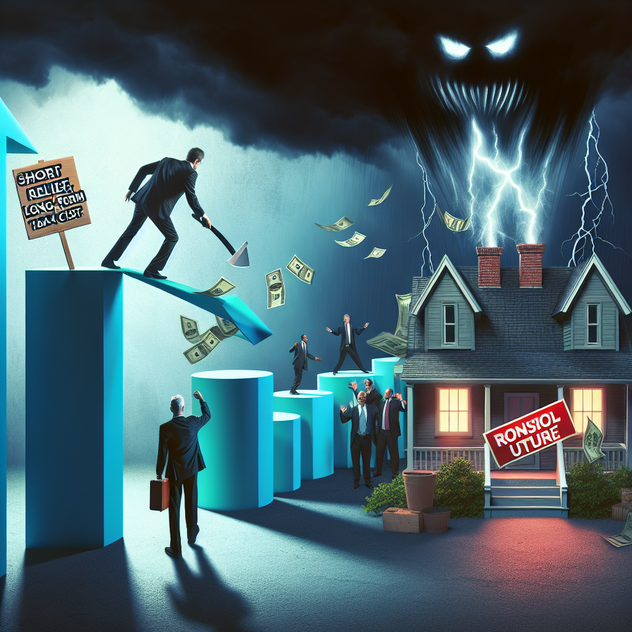
As property taxes rise across many parts of the country, it’s understandable that lawmakers are eager to deliver relief to homeowners. However, the call to swiftly slash property taxes, particularly in states already grappling with budgetary challenges, deserves more scrutiny than celebration. While the appeal of lower tax bills resonates with voters, the bigger picture shows the potential for unintended economic consequences.
Property taxes serve as a bedrock for funding essential public services—schools, emergency responders, infrastructure, and public health initiatives all rely heavily on this revenue stream. Cutting these taxes without a sustainable replacement can create dangerous gaps, forcing municipalities to either reduce services or shift the burden elsewhere. This isn’t just a question of numbers; it’s about the daily lives of residents who depend on these services to maintain quality of life.
In evaluating any tax policy, particularly one with such broad-reaching effects, it would be wise for legislators to weigh the long-term implications. A property tax cut might win short-term political points, but if the result is underfunded schools or crumbling roads five years from now, are we truly better off? Strategic planning and targeted relief programs for those most burdened by property taxes could offer smarter, more sustainable alternatives.
The core issue isn’t whether taxes should be reduced—it’s about timing and impact. With economic uncertainties looming, from market volatility to rising healthcare and infrastructure costs, state leaders need to prioritize fiscal stability. Investing in workforce development, broadband access, and public schools could yield far higher returns for residents than a modest nod to property owners that risks eroding community foundations.
In the rush to offer immediate relief, let’s not overlook the wisdom of patience and precision. Lawmakers should resist the temptation to pursue flashy tax cuts and instead focus on building a tax strategy that balances fairness with fiscal responsibility. After all, the strength of a community is reflected not just in tax rates, but in the resilience of the services those taxes support.